

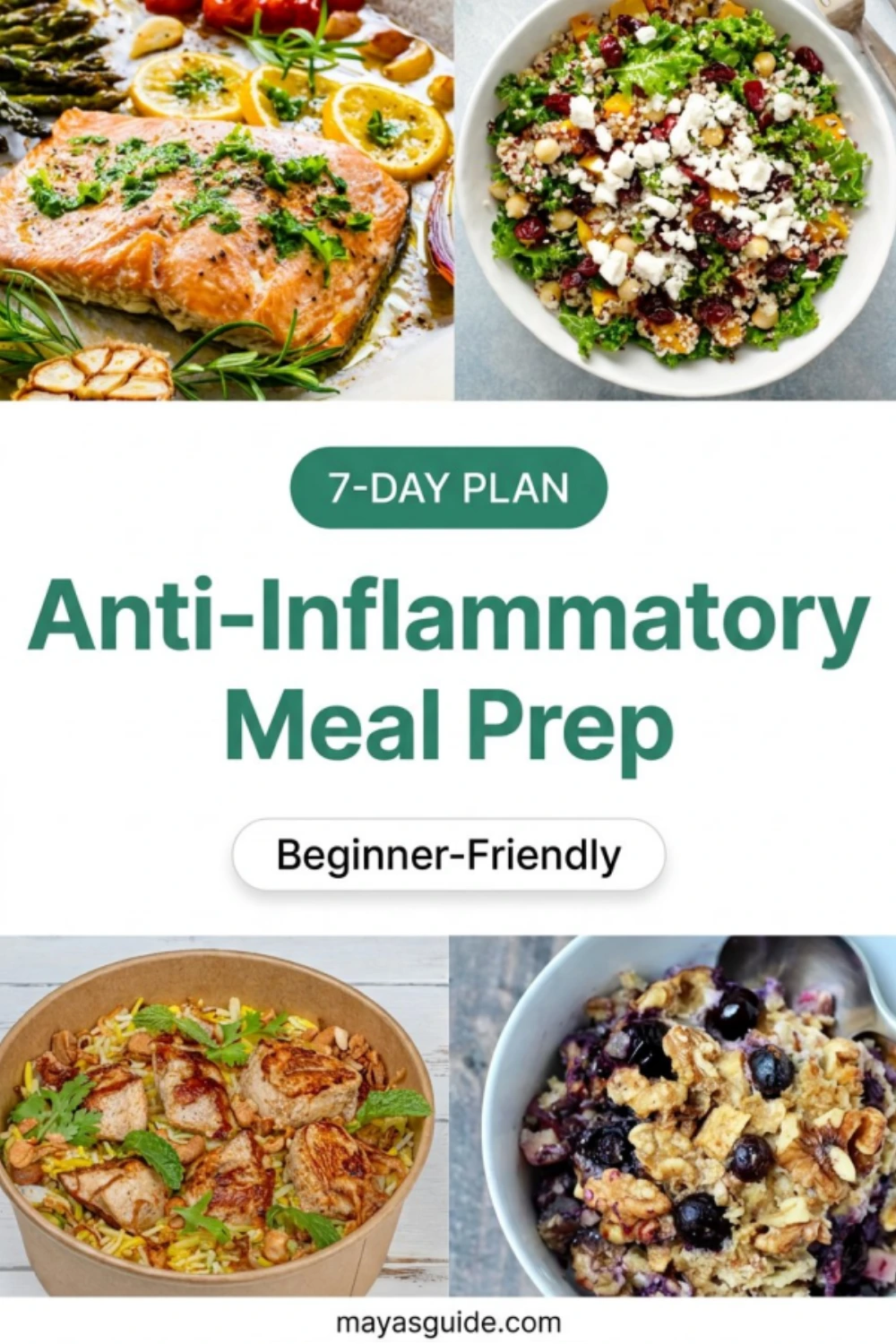
Anti-inflammatory meal prep is easier than it sounds — at its heart, it’s just colorful whole foods like fatty fish, leafy greens, berries, olive oil, and beans, prepped ahead so healthy eating runs on autopilot.
This beginner-friendly 7-day plan takes the guesswork out with simple, everyday meals built around the foods research links to lower inflammation, minus anything complicated or expensive.
Want Easier High-Protein Meal Prep Like This?
The 30-Day High-Protein Meal System gives you a full month of planned breakfasts, lunches, dinners and snacks—including high-protein meal-prep recipes with big flavor and simple steps.
Here’s exactly how to prep a week of easy anti-inflammatory lunches and dinners, even if you’ve never meal prepped a day in your life.
What Makes This Approach Special ✨
- Beginner-simple — no exotic ingredients, just whole foods you already recognize.
- Built on the Mediterranean pattern — the eating style most consistently linked to lower inflammation.
- Colorful and satisfying — this is about adding vibrant foods, not restriction and deprivation.
- Prep once, eat all week — batch a few staples and healthy meals fall into place.
Real food, real flavor 🌿
Olive oil, garlic, herbs, and spices like turmeric and ginger do the flavor work, so “healthy” never means bland.
Approachable for busy weeks ⚡
A little Sunday prep — some fish, a grain, a big tray of veggies — sets you up for a full week of anti-inflammatory meals.
What to Stock 🛒
Anti-inflammatory eating is more about what you add than what you cut. Fill your cart with colorful produce, healthy fats, and lean proteins, and simply lean away from ultra-processed foods and added sugar. These are the staples this whole plan runs on.
Foods to favor:
- Fatty fish: salmon, sardines, mackerel (omega-3s)
- Leafy greens & cruciferous veg: spinach, kale, broccoli, Brussels sprouts
- Berries & colorful fruit: blueberries, strawberries, oranges, cherries
- Healthy fats: extra-virgin olive oil, avocado, walnuts, almonds, chia and flax seeds
- Legumes & whole grains: lentils, chickpeas, beans, quinoa, oats, brown rice
- Flavor boosters: turmeric, ginger, garlic, and green tea
Foods to limit:
- Ultra-processed snacks, refined carbs, and added sugar
- Processed meats, fried foods, and sugary drinks
How to Meal Prep This Week 👩🍳
Beginners do best keeping it simple: batch a couple of proteins, one grain, and a big tray of veggies, then mix and match all week.
- Bake a batch of fish and a lean protein. Roast salmon to 145°F and bake or grill chicken to 165°F. Having omega-3-rich fish ready a few times a week is the backbone of anti-inflammatory eating.
- Cook one whole grain and one legume. Make a pot of quinoa or brown rice and a batch of lentils or chickpeas. These add fiber, plant protein, and staying power.
- Roast a big tray of colorful veggies. Toss broccoli, Brussels sprouts, peppers, and carrots in extra-virgin olive oil and roast until caramelized — the more colors, the better.
- Make a simple olive-oil dressing. Whisk extra-virgin olive oil, lemon juice, garlic, and a pinch of salt. Drizzling it over bowls and salads is an easy way to work in anti-inflammatory fats.
- Prep grab-and-go extras. Wash berries, portion nuts, and keep hummus and cut veggies ready for easy snacks.
- Assemble colorful bowls. Build each meal around a protein, a scoop of grain or legume, and a generous pile of veggies, finished with the olive-oil dressing.
Your 7-Day Anti-Inflammatory Plan 📅
Each day leans on fish, greens, whole grains, and healthy fats. Keep portions comfortable — this is about nourishment, not restriction.
Day 1 — Breakfast: Greek yogurt with blueberries and walnuts. Lunch: salmon quinoa bowl with greens and olive-oil dressing. Dinner: ginger chicken and veggie stir-fry with brown rice. Snack: apple and almonds.
Day 2 — Breakfast: overnight oats with chia and berries. Lunch: lentil soup with a side salad. Dinner: baked salmon, roasted broccoli, and sweet potato. Snack: hummus and carrots.
Day 3 — Breakfast: veggie omelet with avocado. Lunch: Mediterranean chickpea salad. Dinner: turkey meatballs with zucchini and marinara. Snack: berries and walnuts.
Day 4 — Breakfast: chia pudding with berries. Lunch: tuna and white bean salad with olive oil. Dinner: sheet-pan turmeric chicken with colorful veggies. Snack: a few dates with nuts and green tea.
Day 5 — Breakfast: spinach-berry smoothie with flax. Lunch: quinoa tabbouleh with grilled chicken. Dinner: baked cod with lentils and greens. Snack: edamame.
Day 6 — Breakfast: Greek yogurt with flax and fruit. Lunch: leftover lentil soup or salad. Dinner: salmon with roasted Brussels sprouts and quinoa. Snack: apple with almond butter.
Day 7 — Breakfast: veggie scramble with whole-grain toast and avocado. Lunch: a big Mediterranean bowl. Dinner: ginger-turmeric chicken and veggie curry. Snack: berries and walnuts.
Pro Tips for Success 💡
Cook with extra-virgin olive oil as your default fat. It’s one of the most studied anti-inflammatory foods, so using it for roasting, dressings, and finishing drizzles is an easy daily win (and it makes everything taste better).
Eat the rainbow on purpose. The colorful pigments in produce are where a lot of the anti-inflammatory compounds live, so aim to get several different colors on your plate each day rather than the same two veggies.
Work in fatty fish two to three times a week. Salmon, sardines, and mackerel are the richest sources of the omega-3s linked to lower inflammation, so building a couple of meals around them each week does a lot of heavy lifting.
Add turmeric with a pinch of black pepper. The pepper helps your body absorb curcumin, the active compound in turmeric, so a little goes further when you pair them in a curry, soup, or roasted-veggie seasoning.
Keep it realistic, not perfect. Anti-inflammatory eating is a pattern, not a pass/fail test — one processed snack won’t undo your week, so focus on what you consistently add rather than stressing over the occasional treat.
Beginner Mistakes to Avoid ⚠️
Making it too complicated. Beginners often chase obscure “superfoods” and burn out. Start with the simple staples — fish, greens, olive oil, berries, beans — and build from there once it feels easy.
Forgetting protein. A plate of only veggies and grains leaves you hungry an hour later. Anchor each meal with a protein like fish, chicken, eggs, or legumes so you actually stay full.
Drowning good food in bad add-ons. Roasting broccoli in olive oil, then dipping everything in a sugary sauce, works against you. Lean on lemon, herbs, garlic, and olive oil for flavor instead of heavy, sugary condiments.
Storage & Meal Prep Tips ❄️
Store cooked proteins and prepped meals in the fridge for up to 4 days, following USDA FoodSafety.gov guidance (cooked chicken and fish are safe 3–4 days at 40°F or below). Keep dressings separate and add them when you eat so salads and grain bowls stay fresh and crisp all week.
Batch-cook grains, legumes, and roasted veggies, which all keep well, and freeze extra soups or cooked protein for up to 2–3 months for busy weeks. Wash berries only right before eating (washed berries spoil faster), and store leafy greens with a dry paper towel to keep them crisp.
Ways to Customize This Plan 🔄
Make it fully plant-based by leaning on lentils, chickpeas, tofu, tempeh, nuts, and seeds for protein — a plant-forward anti-inflammatory plate is easy to build. Make it gluten-free by choosing quinoa, brown rice, and certified GF oats instead of wheat-based grains.
Scale the portions to your appetite and goals, and don’t be afraid to repeat your favorite meals — simplicity is what makes a plan stick. For more protein-rich meals that fit this pattern, try my salmon rice bowl meal prep or my chicken rice bowl meal prep.
Adjust the spices and flavors to your taste — Mediterranean herbs one week, warm turmeric-and-ginger curries the next — so the plan never gets boring.
Anti-Inflammatory Snack Ideas 🍽️
Reach for whole-food snacks like berries with a handful of walnuts, apple with almond butter, hummus and veggies, Greek yogurt with flax, or edamame. A cup of green tea is a soothing, anti-inflammatory-friendly drink between meals. For a fun, colorful snack-style lunch, see my adult lunchable bento box and lean it toward the veggie, cheese, and nut options.
Common Questions ❓
Q: What is an anti-inflammatory diet, exactly?
A: It’s an eating pattern — very close to the Mediterranean diet — that emphasizes vegetables, fruit, fatty fish, olive oil, nuts, whole grains, and legumes while limiting ultra-processed foods and added sugar. It’s about a consistent overall pattern, not any single “magic” food.
Q: Can I meal prep the whole week at once?
A: Yes. Batch a couple of proteins, one grain, one legume, and a big tray of roasted veggies, then assemble colorful bowls all week. Keep dressings separate so nothing gets soggy.
Q: Is this diet good for weight loss?
A: It can support a healthy weight because it’s built on filling, high-fiber whole foods, but this plan is about the eating pattern, not calorie restriction. Adjust portions to your own goals and talk to a professional for personalized advice.
Q: What foods should I avoid?
A: Lean away from ultra-processed snacks, refined carbs, added sugar, processed meats, fried foods, and sugary drinks — the foods most associated with promoting inflammation.
Q: Will this cure my inflammation or condition?
A: No — food is one supportive piece, not a cure. An anti-inflammatory eating pattern may help support how you feel, but it’s not a treatment for any medical condition, so work with your healthcare provider on anything health-related.
Nutrition Information 📊
Here’s an approximate sample day on this plan (three meals plus a snack), calculated from USDA food-composition values using Atwater factors. Anti-inflammatory eating naturally runs higher in healthy fats from olive oil, fish, and nuts. (Estimated — a flexible target, not a prescription; verify before relying on it.)
- Calories: ~1,600 kcal per day (estimated)
- Protein: ~90g (estimated)
- Carbohydrates: ~150g (estimated)
- Dietary Fiber: ~35g (estimated)
- Total Sugars: ~40g (estimated — mostly from fruit)
- Total Fat: ~70g (estimated — heart-healthy fats)
- Saturated Fat: ~12g (estimated)
- Sodium: ~1,400mg (estimated)
- Cholesterol: ~180mg (estimated)
Macro Breakdown (% of calories)
- Protein: ~22%
- Carbs: ~37%
- Fat: ~41%
Math check: (90×4) + (150×4) + (70×9) = 360 + 600 + 630 = 1,590 ≈ 1,600 ✓
Diet Tags
This plan is: Anti-Inflammatory, High-Fiber, Mediterranean-style. Easily made Gluten-Free or fully Plant-Based.
Allergens
Varies by meal. Common across the plan: Fish (salmon, cod, tuna), Tree nuts (walnuts, almonds), Milk (Greek yogurt). Adjust to your own allergies.
Nutrition Notes
This sample day is naturally higher in healthy fats from olive oil, fatty fish, and nuts, and high in fiber (about 35g) from produce, legumes, and whole grains — the hallmarks of an anti-inflammatory, Mediterranean-style pattern. Calorie and macro needs vary person to person; treat these as a flexible target. Values are estimates.
The Bottom Line 🎯
Anti-inflammatory eating is refreshingly simple once you stop overthinking it: add colorful vegetables and fruit, cook with olive oil, work in fatty fish a few times a week, lean on beans and whole grains, and season with turmeric, ginger, and garlic.
Prep a few staples on Sunday and the whole week falls into place — no exotic ingredients, no deprivation, just vibrant food that helps you feel your best. Start with the basics, repeat what you love, and let the pattern build over time.
If you’d like a full week of meals like this planned and portioned for you, my Weekly Meal Planner Bundle makes it effortless.
Weekly Meal Planner Bundle — a full week of wholesome meals planned and portioned for you. Inside: printable weekly menus, a categorized grocery list, and a prep schedule built for real life. Get it here.
Nutrition is an estimate and varies by brand and portion. This is general information, not medical advice — talk to your doctor or a registered dietitian before making changes to your diet, especially if you have a health condition.
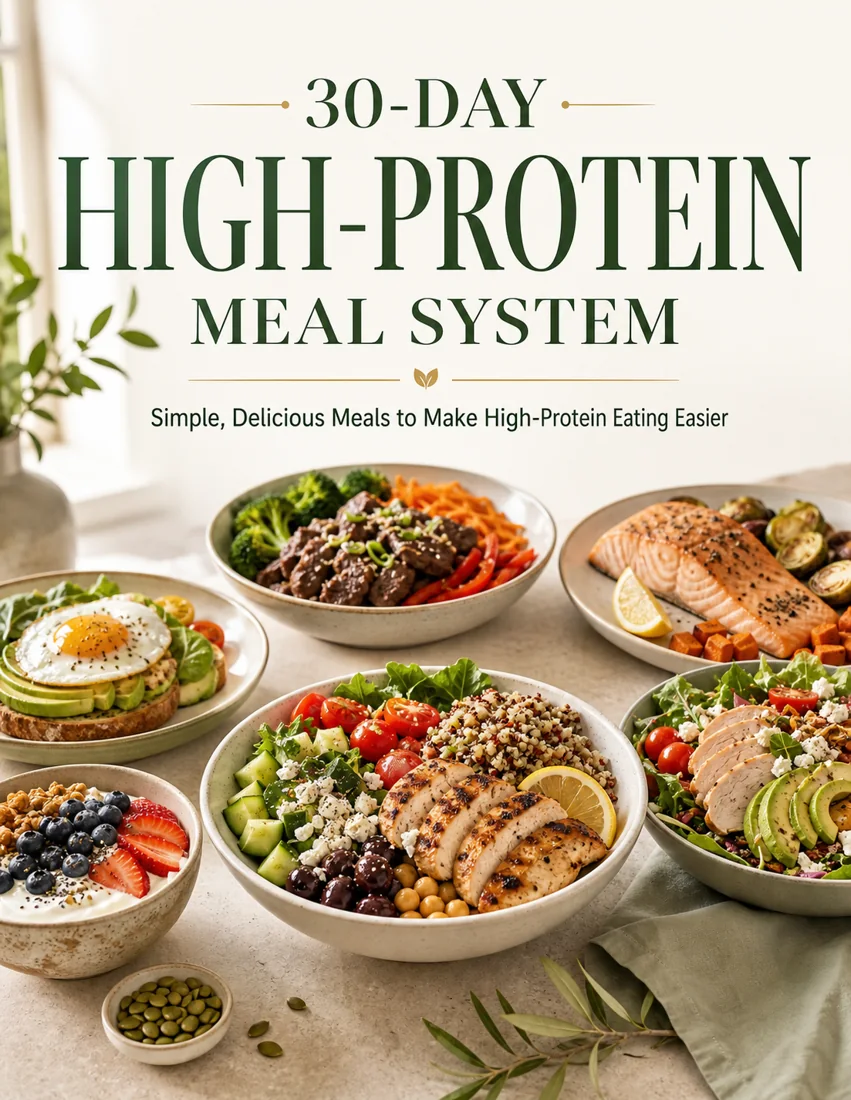
Stop figuring out your protein meals one day at a time
This recipe solves today. The 30-Day High-Protein Meal System solves the whole month—planned, shopped and prepped for you.
- ✓ 30 days of high-protein breakfasts, lunches & dinners
- ✓ Weekly grocery lists & meal-prep guidance
- ✓ High-protein snacks and treats with big flavor
- ✓ Simple ingredients, clear steps, built-in variety


Pingback: Clean Eating Meal Plan: The Honest Whole-Food System