

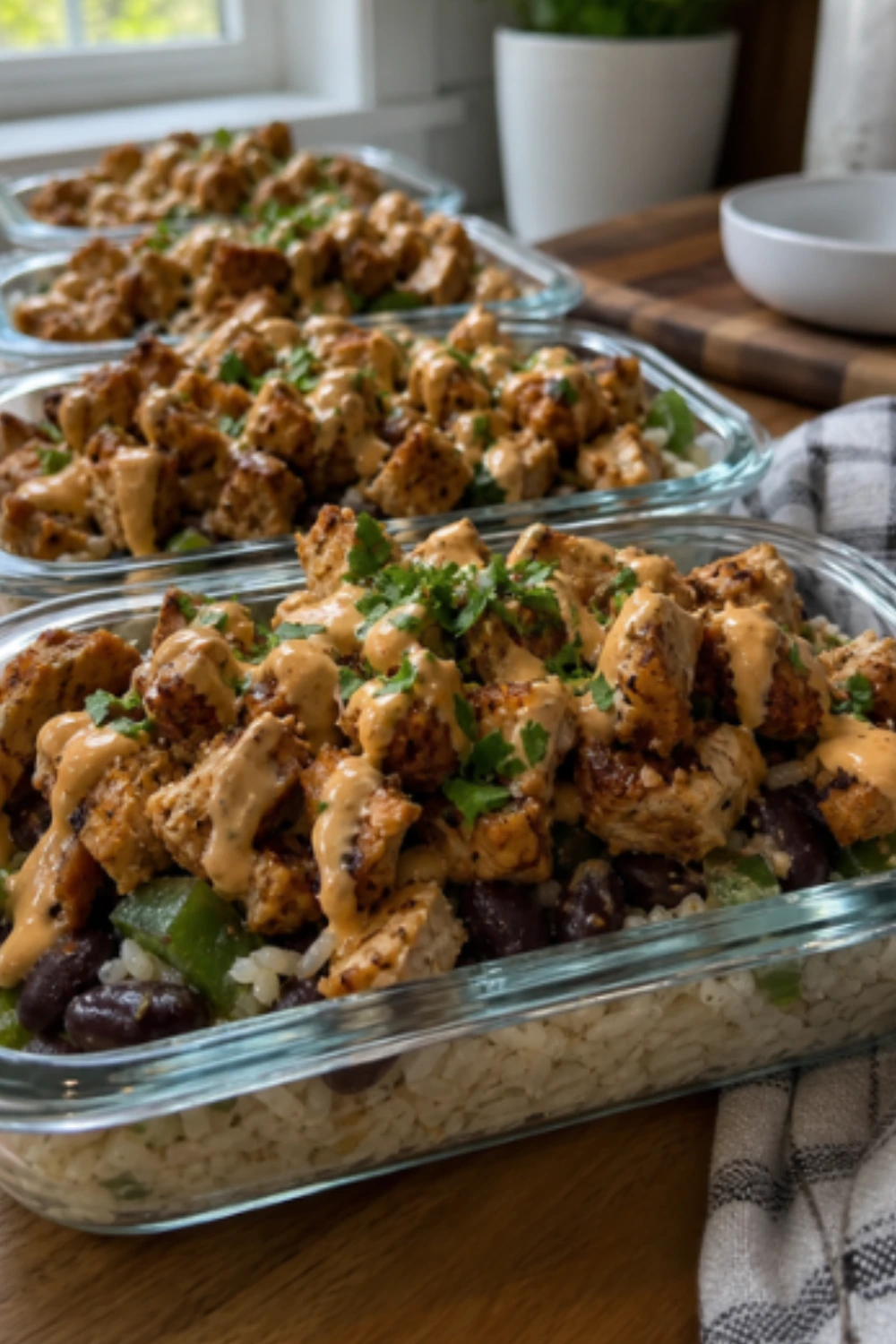
High-protein chicken rice bowls are the ultimate meal-prep upgrade — one easy formula, five bold flavors, and about 42 grams of protein in every bowl.
Instead of choking down the same bland chicken and rice all week, you’ll rotate through teriyaki, buffalo, Cajun, Korean, and Mediterranean versions that taste completely different from the exact same base. They’re ready in about 30 minutes and hold up beautifully for days.
Want Easier High-Protein Meal Prep Like This?
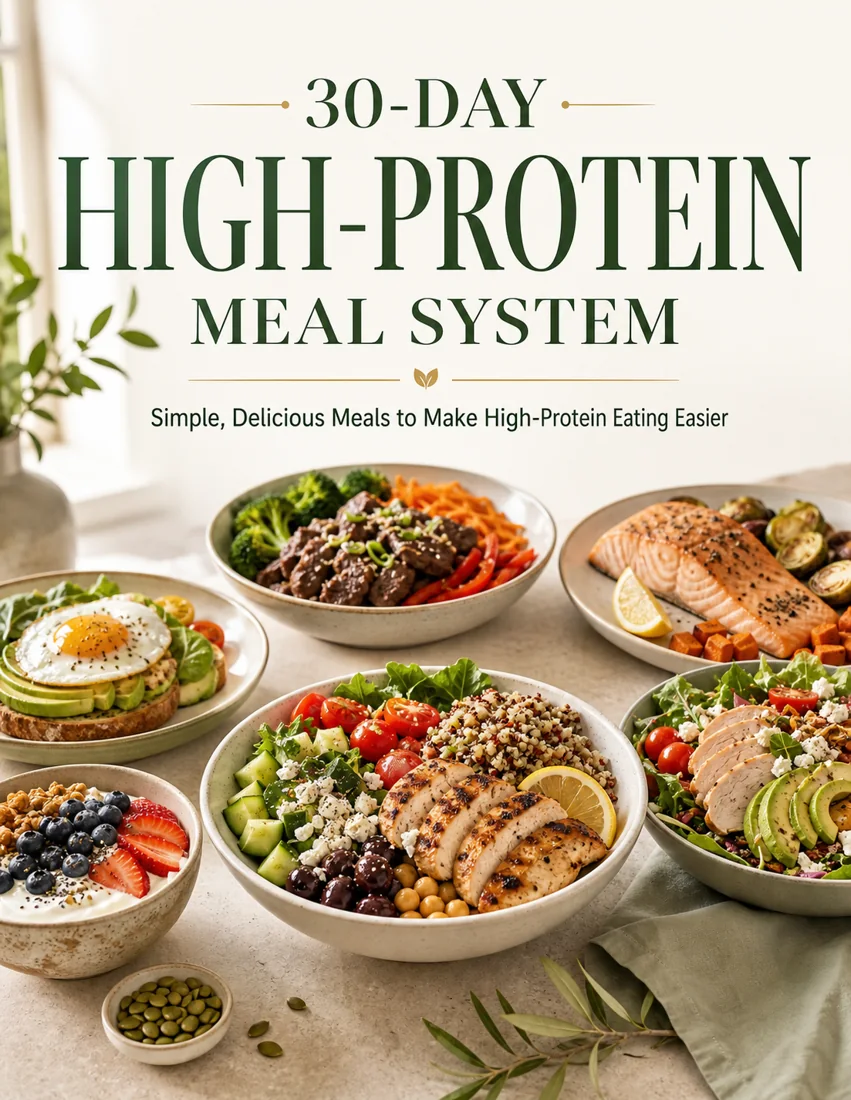
The 30-Day High-Protein Meal System gives you a full month of planned breakfasts, lunches, dinners and snacks—including high-protein meal-prep recipes with big flavor and simple steps.
Here’s exactly how to build all five so meal prep never gets boring again.
The Magic Behind These Bowls 🪄
- About 42g protein per bowl — a generous portion of chicken breast makes every bowl genuinely high-protein.
- 5 flavors, one base — cook the chicken and rice once, then take it five completely different directions.
- Ready in 30 minutes — the chicken and rice cook at the same time, so active prep is quick.
- Never boring — rotating flavors is the single best trick for actually sticking to meal prep.
Restaurant flavor, meal-prep easy ✨
The sauces and spice blends do the heavy lifting, turning simple chicken and rice into bowls that taste like takeout for a fraction of the cost.
Batch once, eat all week ⚡
Make a big batch of the base, then mix and match sauces day to day depending on what you’re craving.
What You’ll Need 🛒
The base is the same for every bowl — chicken, rice, and a veggie — and the flavor comes from the sauce or spice blend you add. Use boneless skinless chicken breasts for the leanest, highest-protein bowls, and cook a batch of rice you can portion all week.
The base (makes ~5 bowls):
- 2 lb boneless skinless chicken breast, cut into 1-inch cubes
- 1 tablespoon olive oil
- 1 teaspoon salt, 1/2 teaspoon pepper
- 2 cups jasmine or long-grain white rice, cooked
- 4–5 cups vegetables (broccoli, edamame, peppers, or cucumber — varies by flavor)
- 2 limes or lemons, for serving
Then pick your flavors (per bowl):
- Teriyaki: 2 tbsp teriyaki sauce + sesame seeds; veggie = broccoli + edamame
- Buffalo: 2 tbsp buffalo sauce + a drizzle of Greek-yogurt ranch; veggie = corn + celery
- Cajun: 1 tsp Cajun seasoning on the chicken; veggie = bell peppers + onion
- Korean: 1 tbsp gochujang + 1 tsp soy sauce + sesame oil; veggie = cucumber + shredded carrot
- Mediterranean: lemon-herb chicken + a spoon of tzatziki or feta; veggie = cucumber + tomato
How to Build Your Bowls 🔧
Cook the base once, then flavor each bowl. Here’s the flow.
- Start the rice. Rinse 2 cups of rice until the water runs clear, then cook it in 3 cups water — bring to a boil, cover, reduce to low, and simmer 15 minutes. Rinsing keeps the grains fluffy instead of gummy.
- Season and cook the chicken. Pat the chicken cubes dry (dry chicken browns, wet chicken steams), toss with olive oil, salt, and pepper, and cook in a hot skillet over medium-high. Leave it undisturbed 4 minutes for a golden crust, then stir and cook 4–5 more minutes until it hits 165°F — the USDA safe minimum for poultry.
- Flavor the chicken (or keep it plain). For Cajun, Korean, or lemon-herb bowls, toss the cooked chicken with the seasoning or sauce right in the pan. For teriyaki and buffalo, you can toss the chicken in sauce now or drizzle it on when serving.
- Prep the veggies. Quickly steam or sauté the sturdy veggies (broccoli, peppers), and leave the fresh ones (cucumber, carrot, tomato) raw. Match the veggie to each flavor from the list above.
- Assemble the bowls. Divide the rice among 5 containers, add the chicken and veggies, and either add the sauce now or pack it in a small cup to add fresh. Tuck in a lime or lemon wedge.
- Keep saucy toppings separate. For creamy sauces (ranch, tzatziki), pack them on the side so the bowl doesn’t get soggy — add them right before eating.
The 5 Flavor Variations 🍗
Same base, five completely different bowls.
1. Teriyaki Chicken. Toss the chicken in teriyaki sauce, pair with broccoli and edamame over rice, and finish with sesame seeds and green onion. Sweet, savory, and always a favorite.
2. Buffalo Chicken. Coat the chicken in buffalo sauce and serve with corn and celery, drizzled with a Greek-yogurt ranch. All the flavor of wings in a balanced bowl.
3. Cajun Chicken. Season the chicken with Cajun spice and pair with sautéed peppers and onion. Smoky, a little spicy, and packed with flavor.
4. Korean Gochujang Chicken. Glaze the chicken with gochujang, soy sauce, and sesame oil, and serve with quick-pickled cucumber and shredded carrot. Sweet-spicy and addictive.
5. Mediterranean Chicken. Toss the chicken with lemon, garlic, and oregano, and top with cucumber, tomato, and a spoon of tzatziki or crumbled feta. Bright, fresh, and light.
Pro Tips for Success 💡
Cook the chicken to 165°F and pull it immediately. Chicken breast dries out fast past that point, so an instant-read thermometer is the difference between juicy cubes and rubbery ones (well worth the few dollars).
Cut the chicken into even one-inch cubes. Uniform pieces cook at the same rate, so you don’t end up with some dry, overcooked bits and some underdone — even sizing is the secret to a perfect batch.
Cook the base plain, then flavor per bowl. Keeping the chicken and rice unseasoned as a base lets you take it five directions without cooking five separate meals, which is the whole efficiency of this method.
Store creamy and fresh toppings separately. Ranch, tzatziki, cucumber, and tomato stay best on the side and go in fresh — dumping them on prep day is how bowls turn soggy by midweek.
Toast your sesame seeds and use fresh garlic where you can. Small finishing touches like toasted sesame on the teriyaki bowl or fresh lemon on the Mediterranean one are what make these taste restaurant-level instead of basic.
Common Issues & Fixes ⚠️
Dry chicken. It was overcooked. Pull it right at 165°F and cut it into even cubes so nothing overcooks; to rescue dry chicken, toss it with extra sauce and a squeeze of citrus to add moisture back.
Soggy bowls by midweek. Wet or creamy toppings were added too early. Keep sauces, cucumber, and tomato separate and add them fresh, and make sure the rice and chicken are cooled before sealing the containers.
Bland base. You didn’t season enough or skipped the finishing touches. Salt the chicken well, be generous with the sauce or spice blend, and always finish with fresh citrus, herbs, or sesame for brightness.
Storage & Shelf Life ❄️
Store the assembled bowls (with sauces separate) in the fridge for up to 4 days, per USDA FoodSafety.gov (cooked chicken is safe 3–4 days at 40°F or below). The chicken and rice hold their texture well, and keeping the creamy or fresh toppings on the side means every bowl tastes freshly made.
The cooked chicken and rice both freeze well for up to 2–3 months, so if you’re prepping more than four days out, freeze the extra base and thaw it overnight in the fridge. Add fresh veggies and sauce after reheating. Don’t freeze the cucumber, tomato, or creamy sauces — those are always fresh.
More Ways to Customize 🔄
Swap the rice for cauliflower rice or quinoa to change the carb profile, or bump the protein even higher by adding edamame or a soft-boiled egg. For a different protein using the same build-a-bowl method, try my salmon rice bowl meal prep.
Make any bowl gluten-free with tamari instead of soy sauce and a GF buffalo or teriyaki sauce. Make it dairy-free by skipping the ranch, tzatziki, and feta on those two bowls.
Invent your own sixth and seventh flavors — honey-garlic, pesto, or chipotle-lime all work on the same chicken-and-rice base. For a related favorite, don’t miss my chicken rice bowl meal prep.
What to Serve With This 🍗
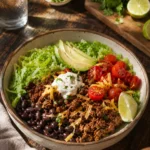
These bowls are complete meals, but a side of edamame, a cup of miso soup, or a simple green salad rounds them out on hungrier days. Tortilla chips pair naturally with the Cajun and buffalo bowls, while warm pita suits the Mediterranean one. For a lighter no-cook lunch on busy days, see my taco meal prep bowls. To drink, iced green tea or sparkling water with lime keeps it fresh.
Common Questions ❓
Q: Can I make these chicken rice bowls ahead of time?
A: Yes — that’s exactly what they’re built for. Cook the chicken and rice base, portion the bowls, and keep creamy or fresh toppings on the side. They hold beautifully for 4 days and reheat well.
Q: Can I freeze them?
A: The chicken and rice base freezes great for up to 2–3 months — thaw overnight and reheat gently. Add the fresh veggies and sauces after thawing rather than freezing them.
Q: How do I keep the chicken from drying out?
A: Pull it right at 165°F and cut it into even cubes so it cooks uniformly. When reheating, warm it gently and toss with a little extra sauce to keep it moist.
Q: Can I use chicken thighs instead of breast?
A: Absolutely — thighs are juicier and more forgiving, just slightly higher in fat and a bit lower in protein per ounce. Cook them to 165°F the same way.
Q: How do I keep five different bowls from being a hassle?
A: The trick is one shared base. Cook all the chicken and rice at once, then just change the sauce, spice, and veggie per bowl — it’s barely more work than making one flavor.
Nutrition Facts 📊
Here’s the approximate nutrition for one representative bowl (teriyaki version: chicken, rice, veggies, and sauce), calculated from USDA food-composition values using Atwater factors. Numbers shift a little by flavor. (Estimated — verify in WP Recipe Maker before publishing.)
- Calories: ~490 kcal (estimated)
- Protein: ~42g (estimated)
- Carbohydrates: ~50g (estimated)
- Dietary Fiber: ~4g (estimated)
- Total Sugars: ~8g (estimated — from sauce)
- Total Fat: ~13g (estimated)
- Saturated Fat: ~3g (estimated)
- Sodium: ~700mg (estimated — sauces are salty; use low-sodium versions to cut it)
- Cholesterol: ~110mg (estimated)
Macro Breakdown (% of calories)
- Protein: ~34%
- Carbs: ~41%
- Fat: ~24%
Math check: (42×4) + (50×4) + (13×9) = 168 + 200 + 117 = 485 ≈ 490 ✓
Diet Tags
This recipe is: High-Protein. Easily made Gluten-Free (tamari + GF sauces) or Dairy-Free (skip ranch/tzatziki/feta).
Allergens
Varies by flavor. Common: Soy (teriyaki, edamame, gochujang, soy sauce), Wheat (some sauces), Milk (ranch, tzatziki, feta), Sesame (Korean bowl). Check each variation against your allergies.
Nutrition Notes
At around 42g of protein per bowl, these comfortably meet the FDA “high in protein” threshold (20%+ of the Daily Value) thanks to the generous chicken portion. Sodium is the main thing to watch, since store-bought sauces run high — reach for low-sodium versions or make your own. Values are estimates and shift by flavor.
Why This Recipe Works ✅
The genius of these bowls is the shared base: cook chicken and rice once, and five completely different lunches come out of it just by swapping a sauce and a veggie.
That variety is exactly what keeps meal prep from getting stale by Wednesday — you’re eating teriyaki one day and buffalo the next, all from the same 30 minutes of Sunday cooking.
Nail the 165°F chicken, keep your sauces on the side, and you’ve got a week of high-protein bowls that taste like five separate takeout orders. Once you’ve run through these five, you’ll start inventing your own.
If you want your whole week of high-protein meals mapped out with macros, my Macro Method makes it effortless.
Macro Method — hit your protein and calorie goals without the math. Inside: macro-friendly meal templates, a tracker, and high-protein recipes built for real life. Get it here.
Nutrition is an estimate and varies by brand and portion.
Stop figuring out your protein meals one day at a time
This recipe solves today. The 30-Day High-Protein Meal System solves the whole month—planned, shopped and prepped for you.
- ✓ 30 days of high-protein breakfasts, lunches & dinners
- ✓ Weekly grocery lists & meal-prep guidance
- ✓ High-protein snacks and treats with big flavor
- ✓ Simple ingredients, clear steps, built-in variety


Pingback: Meal Planning for One: The Solo System That Cuts Waste
Pingback: Garlic Butter Steak & Mashed Potato Meal Prep (High-Protein)
Pingback: Honey Lime Chicken & Avocado Rice Stack (High-Protein)
Pingback: Slow Cooker Chicken Burrito Bowls (High-Protein)
Pingback: High-Protein Spinach Chicken Dip (288 Cal, 40g Protein)