

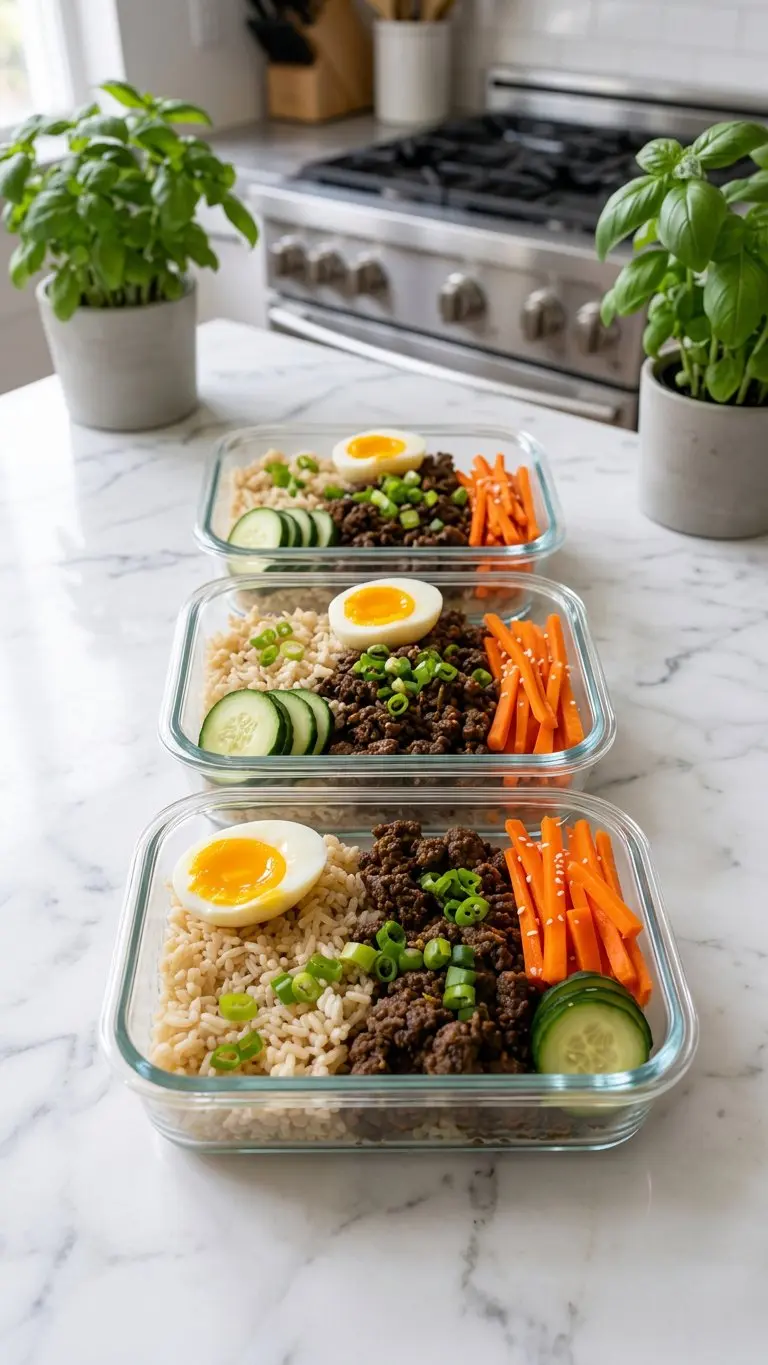
Korean beef rice bowls are the meal prep that makes healthy eating feel like a takeout treat — tender, saucy Korean beef over fluffy rice with a cool, tangy cucumber salad, all for just 512 calories and a massive 52 grams of protein per bowl.
The beef gets a crispy edge from a light cornstarch coating before it’s drenched in a sweet-savory Korean sauce. It’s fast, filling, and the opposite of boring meal prep. Here’s exactly how to make it so the beef stays tender and the sauce turns glossy and thick.
Want Easier High-Protein Meal Prep Like This?
The 30-Day High-Protein Meal System gives you a full month of planned breakfasts, lunches, dinners and snacks—including high-protein meal-prep recipes with big flavor and simple steps.
Why You’ll Love This Recipe ❤️
- 52g protein, only 512 calories — a knockout macro split that keeps you full and on track.
- Tastes like Korean takeout — sweet-savory beef with that glossy, sticky sauce.
- Crispy-then-saucy beef — a light cornstarch coating gives the beef the perfect texture.
- Not your boring meal prep — the fresh cucumber salad keeps every bowl bright and exciting.
Sweet, savory, and satisfying ✨
A quick soy-garlic-ginger sauce delivers all the flavor of your favorite Korean beef bowl, minus the takeout price and calories.
Meal-prep perfect ⚡
It portions beautifully and reheats like a dream, so a week of exciting, high-protein lunches is done in one go.
What You’ll Need 🛒
Use lean beef strips (like sirloin or rump) for the highest protein and lowest calories. The cornstarch coating is the secret to that lightly crispy, restaurant-style texture, and it helps the sauce cling to every piece. For a healthier, lower-sugar bowl, you can use a granulated sweetener in place of the sugar.
For the beef:
- 800g (about 1.75 lb) lean beef, thinly sliced into strips
- 2 tablespoons cornstarch (cornflour)
- 1/2 teaspoon salt and 1/4 teaspoon black pepper
- 1 tablespoon oil, for frying
For the Korean sauce:
- 1/4 cup low-sodium soy sauce (or tamari for gluten-free)
- 1 tablespoon sesame oil
- 3 cloves garlic, minced
- 1 tablespoon fresh ginger, grated
- 2–3 tablespoons brown sugar (or a granulated sweetener)
- 1 teaspoon gochugaru or chili flakes (optional)
For the cucumber salad:
- 1 large cucumber, thinly sliced
- 1/2 teaspoon salt
- 1 tablespoon rice vinegar
- 1 teaspoon sesame oil
- 1 teaspoon chili flakes and 1 teaspoon sesame seeds
- 1 green onion, sliced
To serve:
- Cooked white rice
- Sesame seeds and sliced green onion
How to Make It 👩🍳
Make the sauce and cucumber salad first, then coat, fry, and sauce the beef.
Make the Cucumber Salad
- Toss and chill. Thinly slice the cucumber and add it to a bowl with the salt, rice vinegar, sesame oil, chili flakes, sesame seeds, and green onion. Toss well and set aside in the fridge — it gets better as it sits.
Make the Korean Sauce
- Simmer until thick. Add the soy sauce, sesame oil, garlic, ginger, sugar, and chili flakes to a hot pan. Stir and simmer for a few minutes until the sauce thickens into a glossy glaze. Pour it into a bowl and set aside.
Cook the Beef
- Coat the beef. Toss the sliced beef with the cornstarch, salt, and pepper until every piece is lightly coated. The cornstarch gives it a crispy edge and helps the sauce cling.
- Fry it hot. Heat the oil in a hot pan or wok over medium-high and cook the beef in a single layer for a few minutes, until browned and cooked to your liking (145°F for medium). Work in batches if needed so it sears instead of steams.
- Drench in sauce. Add the cooked beef to the Korean sauce and toss until every piece is coated in that glossy, sweet-savory glaze.
Assemble the Bowls
- Portion and serve. Divide the rice among 4 containers, add the saucy Korean beef, and serve with the cucumber salad on the side. Top with sesame seeds and green onion, and you’re good to go.
Pro Tips for Success 💡
Coat the beef in cornstarch before frying. This light coating is what gives the beef its signature crispy-then-saucy texture and helps the sauce grip every piece — skip it and the beef turns out plain and the sauce slides right off (this is the secret to a takeout-style bowl).
Get your pan genuinely hot and don’t crowd it. A hot pan sears the beef quickly so it browns instead of steaming into gray, tough strips. Cook in batches if you have a lot of beef so each piece gets that nice sear.
Simmer the sauce until it’s glossy and thick. A thickened glaze coats the beef beautifully and clings to it in the fridge, while a thin sauce runs to the bottom of the container. Give it those few extra minutes to reduce.
Keep the cucumber salad separate until serving. Storing it on the side keeps it crisp and fresh — the vinegar and salt draw water out over time, so add it to the bowl when you eat for the best crunch.
Slice the beef thin and against the grain. Thin strips cut across the grain cook fast and stay tender, which is exactly what keeps a lean cut from turning chewy.
Common Issues & Fixes ⚠️
Tough, chewy beef. It was overcooked or sliced with the grain. Slice thin and against the grain, cook it hot and fast, and pull it as soon as it’s browned — lean beef toughens quickly if overdone.
Thin, watery sauce. It didn’t reduce enough. Let the sauce simmer a few extra minutes until it thickens into a glaze, or add a small cornstarch-and-water slurry to help it along.
Soggy cucumber salad. It sat too long dressed. Keep it separate from the warm rice and beef and add it fresh each day, and drain off any excess liquid before serving leftovers.
Storage & Shelf Life ❄️
Store the beef and rice in the fridge for up to 4 days in airtight containers, per USDA FoodSafety.gov (cooked beef is safe 3–4 days at 40°F or below). Keep the cucumber salad in its own container and add it fresh each day so it stays crisp and tangy. Reheat the beef and rice in the microwave, loosely covered, for 90 seconds to 2 minutes.
The saucy beef and rice freeze well for up to 2–3 months — freeze in portions, thaw overnight in the fridge, and reheat gently. Never freeze the cucumber salad; it’s always made fresh and stored separately.
Recipe Variations 🔄
Swap the protein for ground beef (bulgogi-style), chicken, or even tofu with the same Korean sauce. Lower the carbs by serving it over cauliflower rice, or make it spicier by stirring a spoonful of gochujang into the sauce. For another glossy, high-protein steak bowl, try my creamy chipotle steak and potatoes.
Keep it gluten-free by using tamari instead of soy sauce, and make it lower in sugar with a granulated sweetener. Bulk it up with extra veggies like steamed broccoli, shredded carrot, or edamame for more fiber and volume.
Add fun toppings — a jammy soft-boiled egg, kimchi, or extra sesame all take it up a level. For five more high-protein bowls built the same easy way, see my high protein chicken rice bowls.
What to Serve With This 🍽️
This bowl is a complete meal, but a side of kimchi, edamame, or a cup of miso soup makes it feel like a full Korean spread. Steamed broccoli or bok choy adds extra greens and volume. For another satisfying high-protein meal in your rotation, don’t miss my meal prep for athletes. To drink, green tea or sparkling water with lime keeps it light and fresh.
Common Questions ❓
Q: Can I make this Korean beef bowl ahead of time?
A: Yes — it’s ideal for meal prep. Portion the beef and rice into containers and refrigerate for up to 4 days, keeping the cucumber salad separate and adding it fresh each day. The beef reheats beautifully.
Q: How does it have 52g of protein for only 512 calories?
A: The lean beef delivers a big protein hit while keeping calories in check, and a light cornstarch coating and a lower-sugar sauce keep it from creeping up. It’s a genuinely macro-friendly bowl.
Q: Why coat the beef in cornstarch?
A: The cornstarch gives the beef a lightly crispy edge and helps the sauce cling to every piece for that signature takeout texture. It also helps thicken the sauce as it cooks.
Q: Can I use ground beef instead of strips?
A: Absolutely — ground beef makes an easy bulgogi-style version with the same sauce. Brown it, drain any excess fat, and toss it in the Korean sauce.
Q: Is this recipe gluten-free?
A: It can be — just use tamari or a certified gluten-free soy sauce, since regular soy sauce contains wheat. Everything else in the recipe is naturally gluten-free.
Nutrition Facts 📊
Here’s the nutrition per serving (based on 4 bowls). Protein and calories are as shown in the video; carbs, fat, and the rest are estimated. (Verify in WP Recipe Maker for your exact ingredients and portions.)
- Calories: 512 kcal
- Protein: 52g
- Carbohydrates: ~50g (estimated)
- Dietary Fiber: ~2g (estimated)
- Total Sugars: ~8g (estimated)
- Total Fat: ~11g (estimated)
- Saturated Fat: ~4g (estimated)
- Sodium: ~900mg (estimated — soy sauce is salty; use low-sodium to reduce)
- Cholesterol: ~100mg (estimated)
Macro Breakdown (% of calories)
- Protein: ~41%
- Carbs: ~39%
- Fat: ~20%
Math check: (52×4) + (50×4) + (11×9) = 208 + 200 + 99 = 507 ≈ 512 ✓
Diet Tags
This recipe is: High-Protein, Dairy-Free. Easily made Gluten-Free (tamari) or Lower-Carb (cauliflower rice).
Allergens
Contains: Soy (soy sauce), Sesame (sesame oil and seeds), Wheat (soy sauce — use tamari to make it wheat/gluten-free). May contain: None.
Nutrition Notes
With 52g of protein for just 512 calories, this is an outstanding macro split — high-protein, moderate-carb, and lower-fat thanks to lean beef and a light sauce. It comfortably meets the FDA “high in protein” threshold. Protein and calories are as shown by the creator; carbs and fat are estimated, so confirm for your exact brands and portions.
Final Thoughts ❤️
This Korean beef rice bowl is everything you want in healthy meal prep — tender, glossy, sweet-savory beef over fluffy rice with a bright, crunchy cucumber salad, all for 512 calories and a serious 52 grams of protein.
The cornstarch coating gives the beef that crispy-then-saucy takeout texture, and simmering the sauce into a thick glaze is what makes every bite cling. Keep the cucumber salad fresh on the side, and you’ve got a week of exciting, macro-friendly lunches that beat any drive-thru.
It’s proof that eating for your goals never has to be boring. If you want your protein and calories mapped out for a whole week of meals like this, my Macro Method makes hitting your numbers effortless.
Macro Method — hit your protein and calorie goals without the math. Inside: macro-friendly meal templates, a tracker, and high-protein recipes built for real life. Get it here.
Nutrition is an estimate and varies by brand and portion.
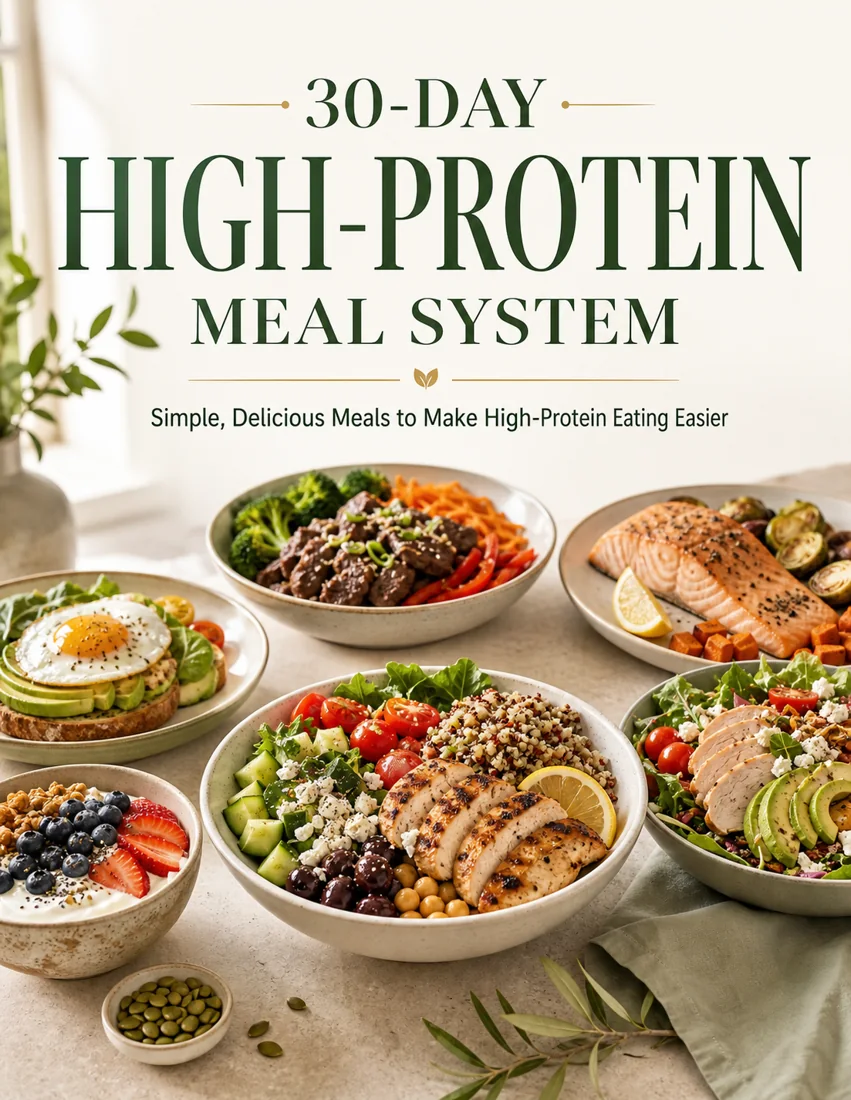
Stop figuring out your protein meals one day at a time
This recipe solves today. The 30-Day High-Protein Meal System solves the whole month—planned, shopped and prepped for you.
- ✓ 30 days of high-protein breakfasts, lunches & dinners
- ✓ Weekly grocery lists & meal-prep guidance
- ✓ High-protein snacks and treats with big flavor
- ✓ Simple ingredients, clear steps, built-in variety


Pingback: 50+ Low Calorie High Protein Meals (Easy Recipes)
Pingback: Ground Beef Lettuce Wraps (20-Minute Asian Sauce)